Why Our Full English Costs £6: The Honest Economics of a Volunteer-Run Cafe
People ask us at the till most weeks: "What's the catch?" There isn't one. But the real answer is more interesting than you'd think.
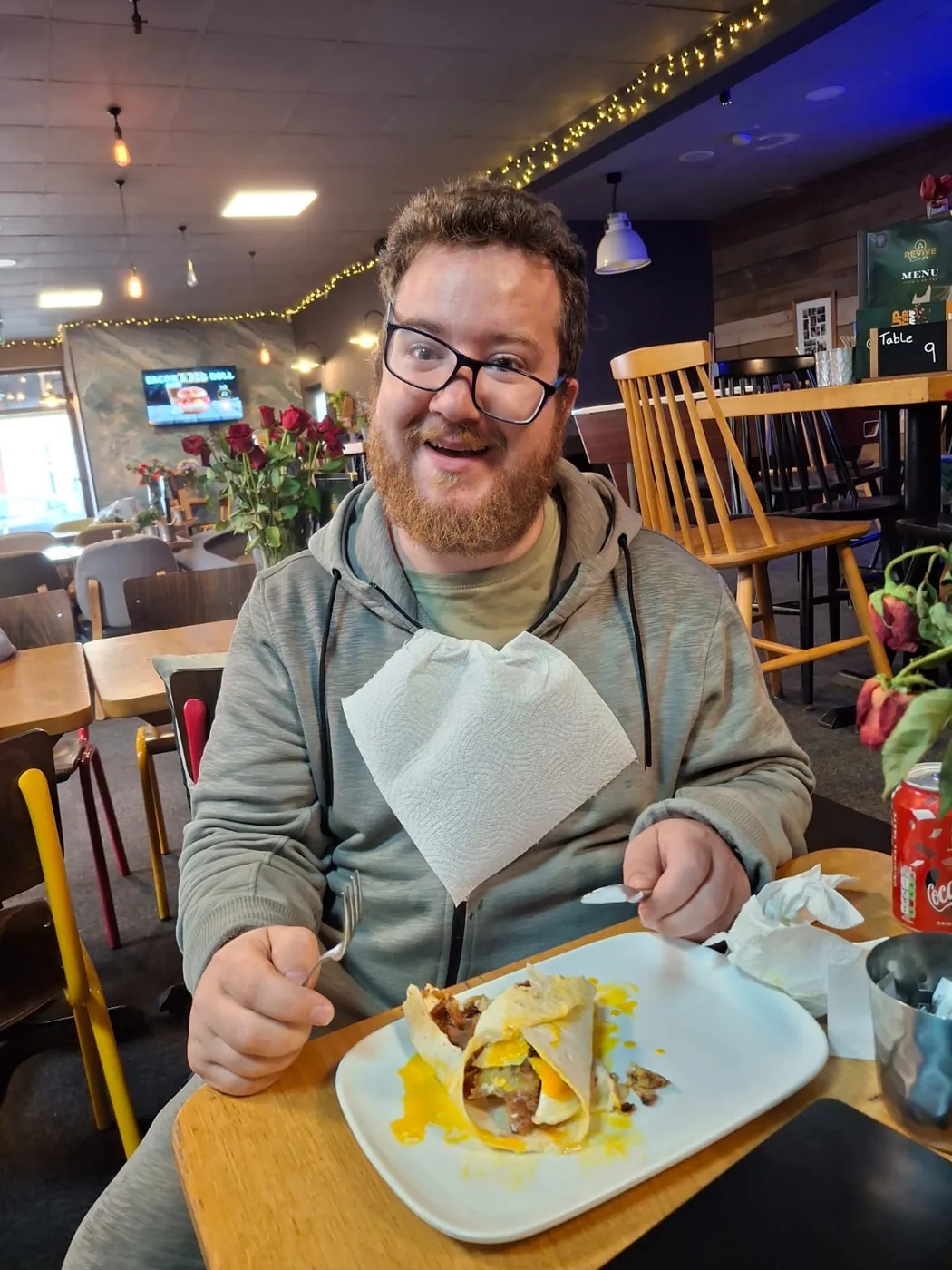
A full English for £6, in 2026, in a proper cafe with table service and a coffee machine that cost more than a small car. We understand the suspicion. Around Norwich you'll typically pay £9 to £12 for the same plate, and those cafes aren't ripping you off either - that's genuinely what it costs them to serve it.
So instead of just saying "we're a charity, it's fine", we thought we'd show our working. Because once you see where the money goes in a normal cafe, you'll understand exactly why ours works differently - and why the answer has nothing to do with cheaper bacon.
Where your money goes in a typical cafe
Imagine a £10 cooked breakfast somewhere in the city centre. Hospitality operators tend to work from the same rough rules of thumb, and they'd break that tenner down something like this:
- Staff wages - usually the single biggest cost in a cafe. The chef, the person on the till, the washing up: labour commonly swallows around a third of everything a cafe takes.
- Ingredients - the eggs, bacon, sausages, beans, bread and mushrooms on the plate. Typically another quarter to a third.
- The building - rent on a commercial unit, business rates, energy (fryers and coffee machines are hungry), insurance, card fees.
- VAT - for a VAT-registered business, a fifth of the eat-in price goes to the taxman before anything else is counted.
- Profit - whatever survives all of the above. In most independent cafes it's a thin slice, and in a bad month it isn't there at all.
None of that is greed. It's just what running a room full of tables costs in a British city. Which is why, when a breakfast is dramatically cheaper than everyone else's, the usual explanation is worse ingredients, smaller portions, or somebody being underpaid.
Now delete the biggest line
Here's what changes at Revive: nobody here takes a wage. Not the chef cooking your breakfast, not the barista steaming your milk, not the person who mopped the floor before we opened. Every single one is a volunteer. The biggest cost line in the whole cafe business - the third of your tenner that normally pays wages - simply isn't on our books.
The building helps too. We're inside Alive House on Nelson Street, a building that's used all week for community work by Alive Church, who run the cafe. We're not paying high-street rent for a unit that sits dark sixteen hours a day.
And the profit line? It doesn't leave. There are no shareholders and no owner's drawings - everything left after ingredients and bills goes to community work here in Norwich: emergency food for families in crisis, wellbeing support, youth work.
Strip out wages, most of the property cost and the profit margin, and what's left is roughly the honest cost of the food and the gas to cook it. That's the £6. It's the same arithmetic every other cafe does - we just have fewer lines.
What we refuse to do cheaply
This is the part we care about, because "cheap" usually implies corners cut, and the whole model falls apart if the food isn't worth eating.
We buy our ingredients the same way any cafe does - nobody donates our bacon, more's the pity. Our coffee comes from Green Farm, roasted in Norfolk, because we'd rather serve a proper flat white for £2.95 than a mediocre one for £2.50. And our kitchen volunteers are put through recognised food hygiene training before they handle your breakfast, the same certification a paid kitchen would carry - partly because the law rightly demands it, and partly because free labour is no excuse for a dodgy sausage.
The honest trade-offs
A volunteer-run cafe isn't magic, and it would be spin to pretend otherwise. Our opening hours are shaped by when people can give their time, which is why Friday is a short morning and Sunday is a quick lunchtime window rather than a full day. Occasionally your coffee takes a minute longer because the person making it is on their third shift and still finding the milk pitcher intimidating. We think that's a fair trade - and honestly, watching a new volunteer nail their first bit of latte art is one of the best things that happens in here.
The fix for the hours, by the way, is more volunteers. We're recruiting right now so we can open more days of the week - if you've ever fancied learning the other side of the counter, here's how volunteering at Revive works.
So why not charge £9 and give more to charity?
We get asked this too, and it's a good question. We could price the breakfast at market rate and hand over a bigger cheque. We don't, deliberately.
Because the low price is part of the community work. A proper cooked breakfast shouldn't be a luxury, and in this part of Norwich there are families, students and pensioners for whom £6 versus £11 is the difference between eating out sometimes and never. A cafe where everyone can afford to sit down together does something for a neighbourhood that a donation alone can't. The money we raise matters; the room full of people matters just as much.
That's the catch, if you want one: there isn't a catch, there's a choice. The same plate of food, minus the wage bill, minus the profit margin, plus a room everyone can afford to be in.
Come check our maths
The £6 full English is served all day, every day we're open - alongside handmade burgers from £7.99 and proper Norfolk-roasted coffee. Find us at Alive House, corner of Nelson Street and Arms Street, opposite The Nelson pub. And if you'd rather be part of the equation, join the volunteer team.